

DUBAI/BEIRUT: The Iran-backed Hezbollah group rejected a new ceasefire in Lebanon on June 4, while Israel said it would not pull its troops out of the country. This weakens U.S. President Donald Trump's efforts to stop the fighting and reach peace with Iran.
Iran has said that any peace deal with the U.S. must include a ceasefire in Lebanon. It has also warned in recent days that it could step in directly to support Hezbollah if Israel continues or increases its attacks.
Lebanese President Joseph Aoun said the ceasefire would start within 24 hours if all sides agreed. But Hezbollah leader Naim Qassem rejected the U.S. proposal, saying the group would continue its resistance.
There was no immediate reaction from Israel, Lebanon, or the U.S. to Qassem's statement. Hezbollah was not directly part of the agreement reached on June 3 between Israel and the Lebanese government, but it would still be expected to stop its attacks.
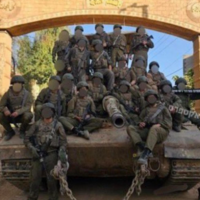
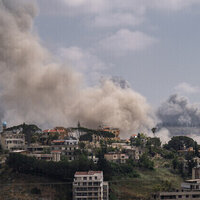
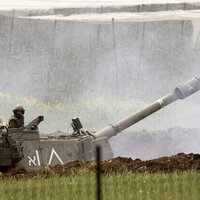
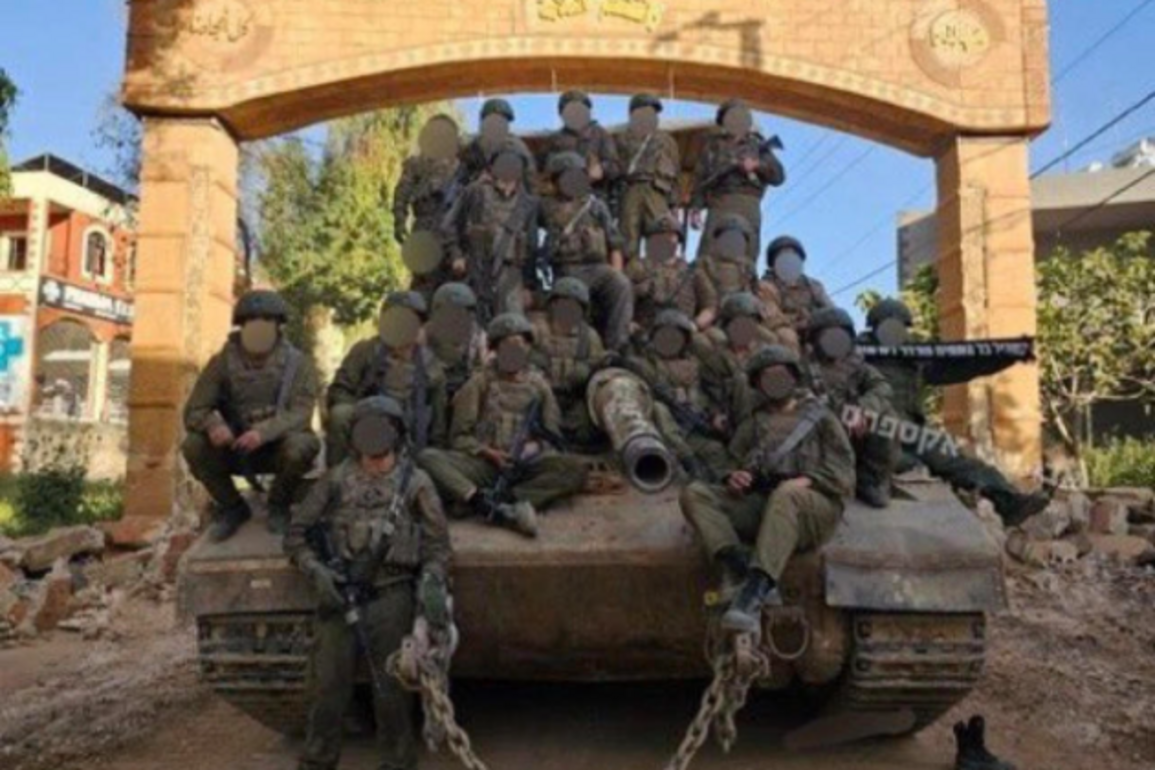
On June 4, Israel continued airstrikes in southern Lebanon. Defense Minister Israel Katz said Israeli forces would not leave the area or stop their operations, which began after Israel entered Lebanon in March during the wider conflict involving Iran.
A commander of Iran's Revolutionary Guards Quds Force said the minimum demand for any ceasefire is that Israel withdraw to its positions before the war began. Another statement said Iran wants a ceasefire across all fronts, including Lebanon, and called on Israel to stop attacks, leave occupied areas, and return to the international borders.
Fighting between Hezbollah and Israel restarted on March 2, when Hezbollah fired in support of Iran during U.S.-Israeli attacks. The conflict has continued despite several ceasefires announced by Washington since April.
Efforts to reach a ceasefire come after rising violence in the region, which has put Trump's peace efforts at risk. On June 3, Iranian and U.S. forces exchanged attacks in the Gulf in one of the most intense clashes since a separate ceasefire in early April paused large-scale strikes on Iran.
Elsewhere, Iranian forces attacked Kuwait, damaging its airport and injuring dozens. At the same time, the U.S. carried out strikes near the Strait of Hormuz, a key route for global oil and gas shipments. The Strait has remained mostly closed for over three months since earlier attacks on Iran.
Oil prices fell by about three percent on June 4 as hopes grew that a ceasefire in Lebanon might help ease tensions between the U.S. and Iran.
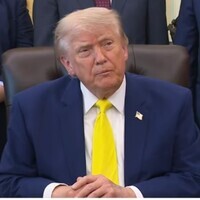
Facing pressure at home to end the war and lower fuel costs, Trump said there could soon be progress in talks with Iran. He told reporters that something could happen as early as the weekend, though he did not give details.
He also said efforts are underway to address the reopening of the Strait of Hormuz and the conflict in Lebanon separately.